Case Study

An environment that tolerates no error

Hajj is high-risk, high-density, and impossible to rehearse for real. Here is how we turned emergency preparedness from a briefing into safe, measurable practice — and what the field results showed.

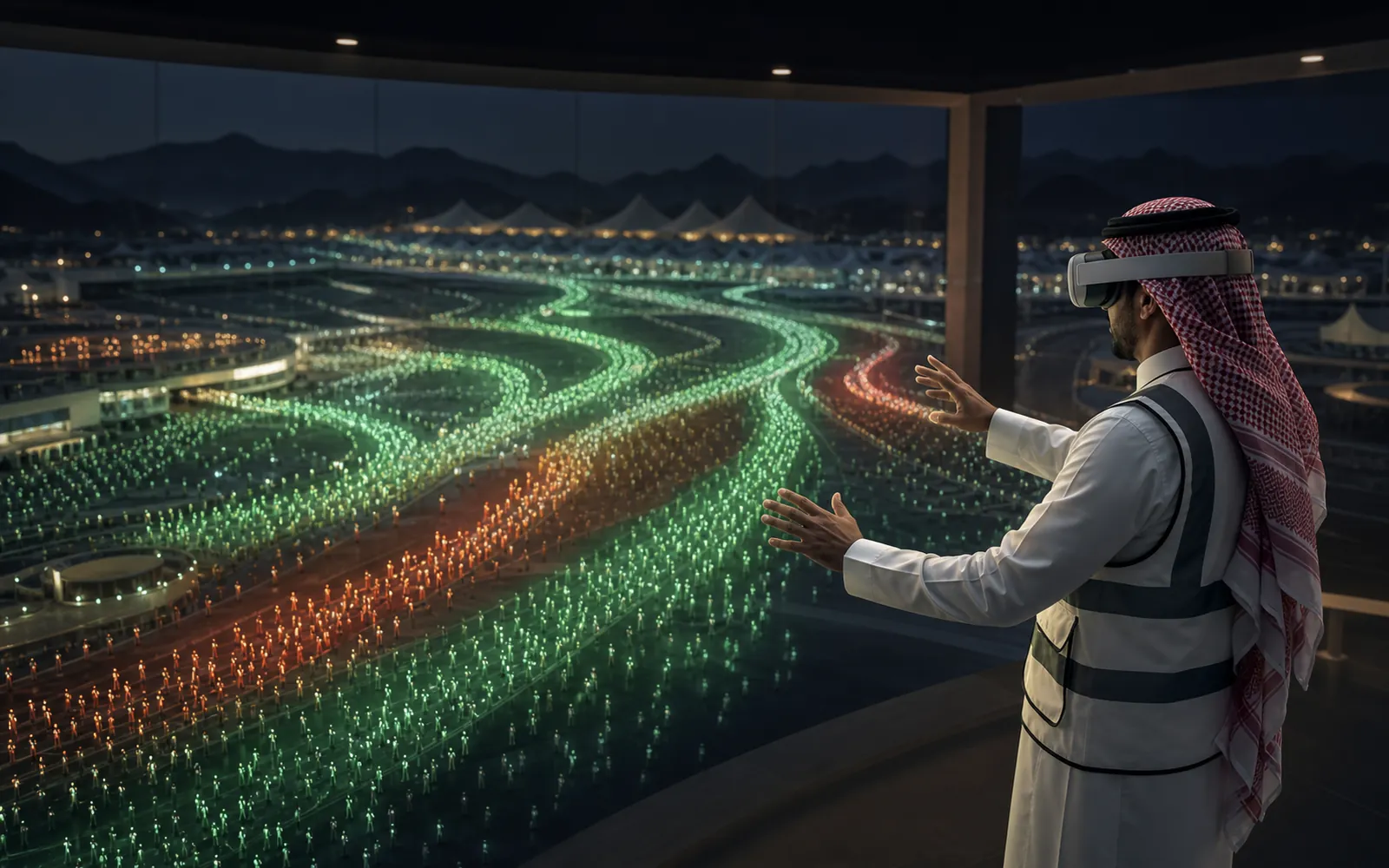
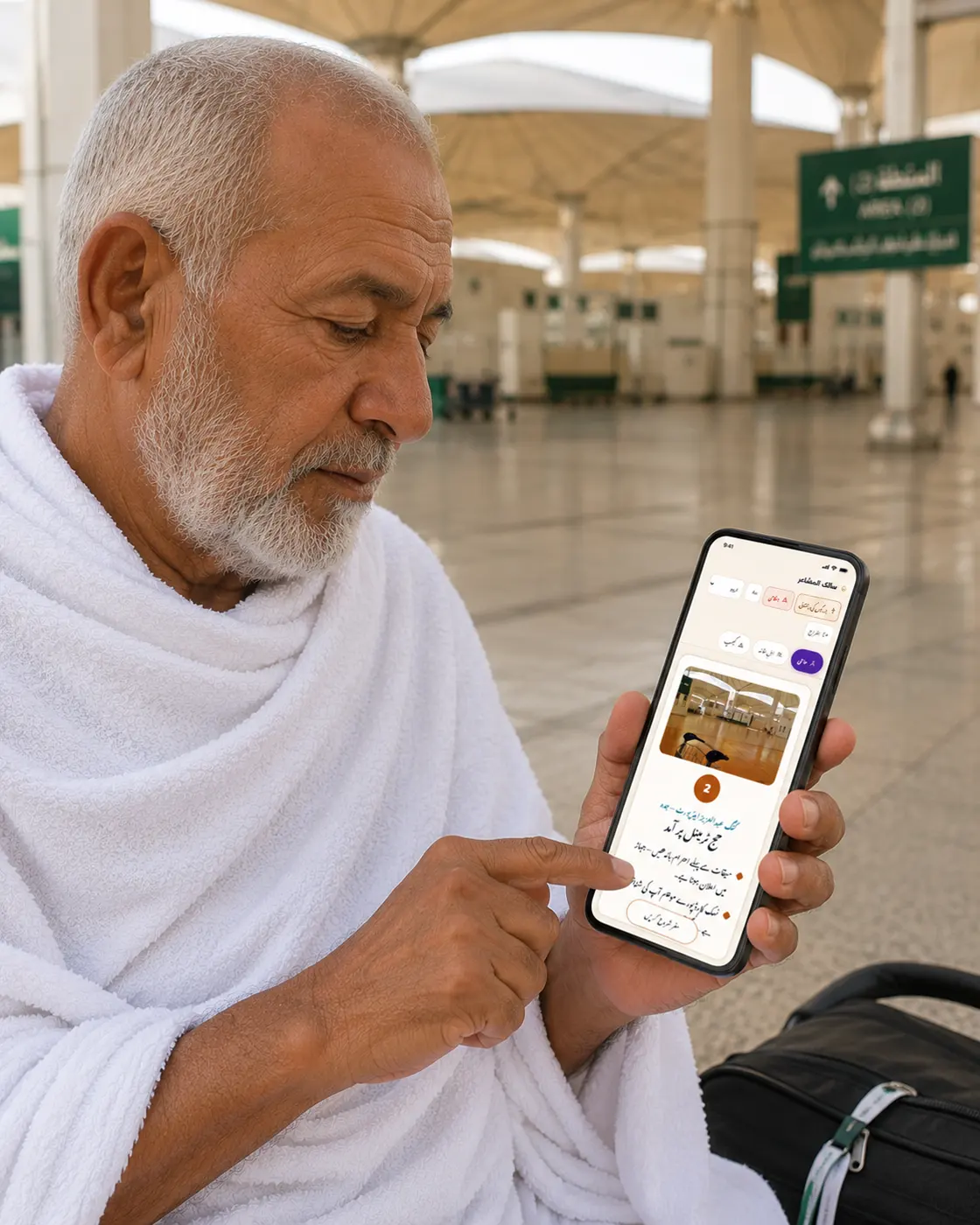
The three experiences in this training were not built for the season: two come from the Salek Al-Mashaaer system's axes — Navigating the Holy Sites and Hurras Al-Mashaaer — and one from the Immersive Teaching Hospital, deployed in the Hajj context. That is how our library works: it composes across sectors rather than being rebuilt per sector.

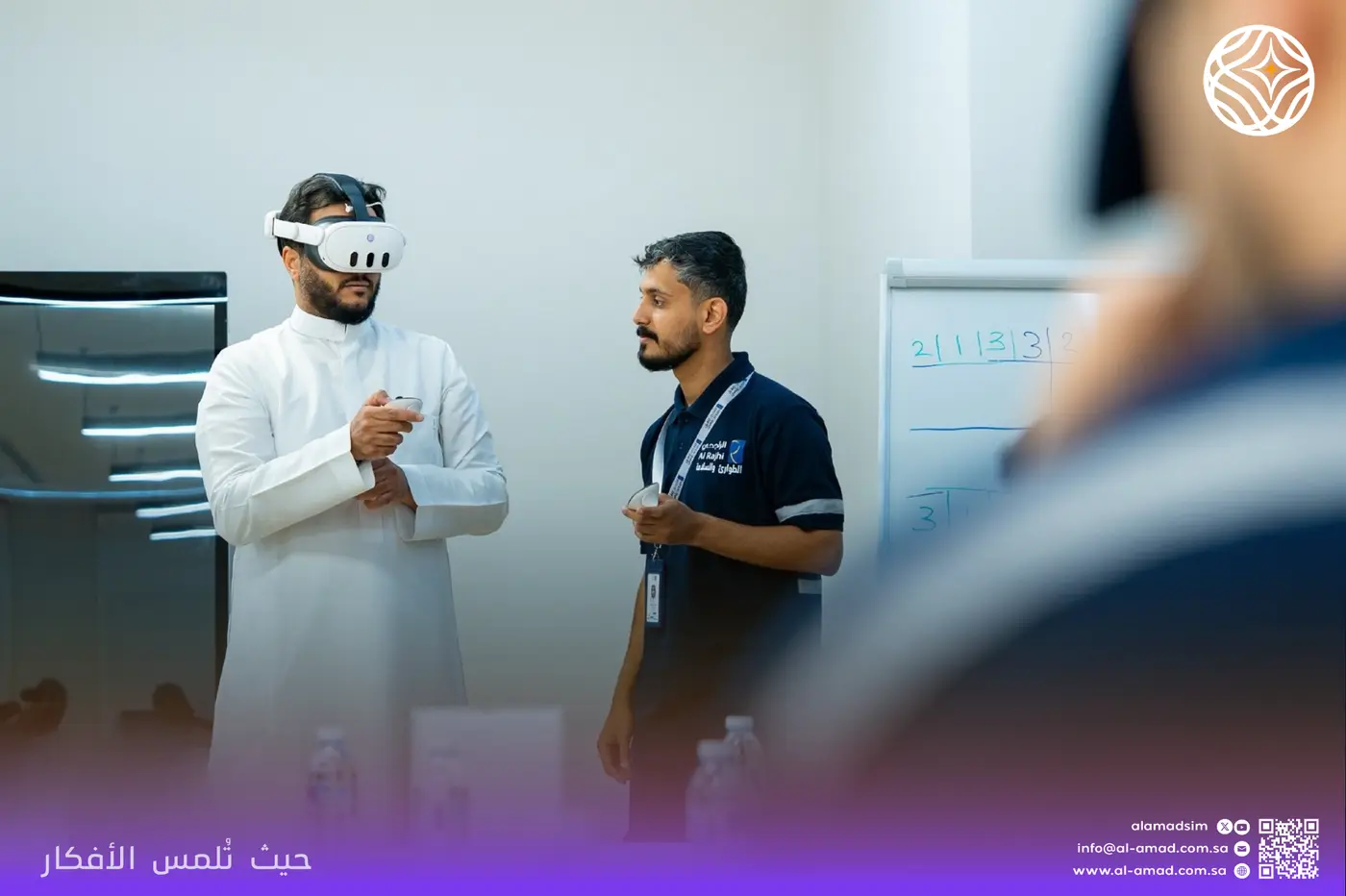
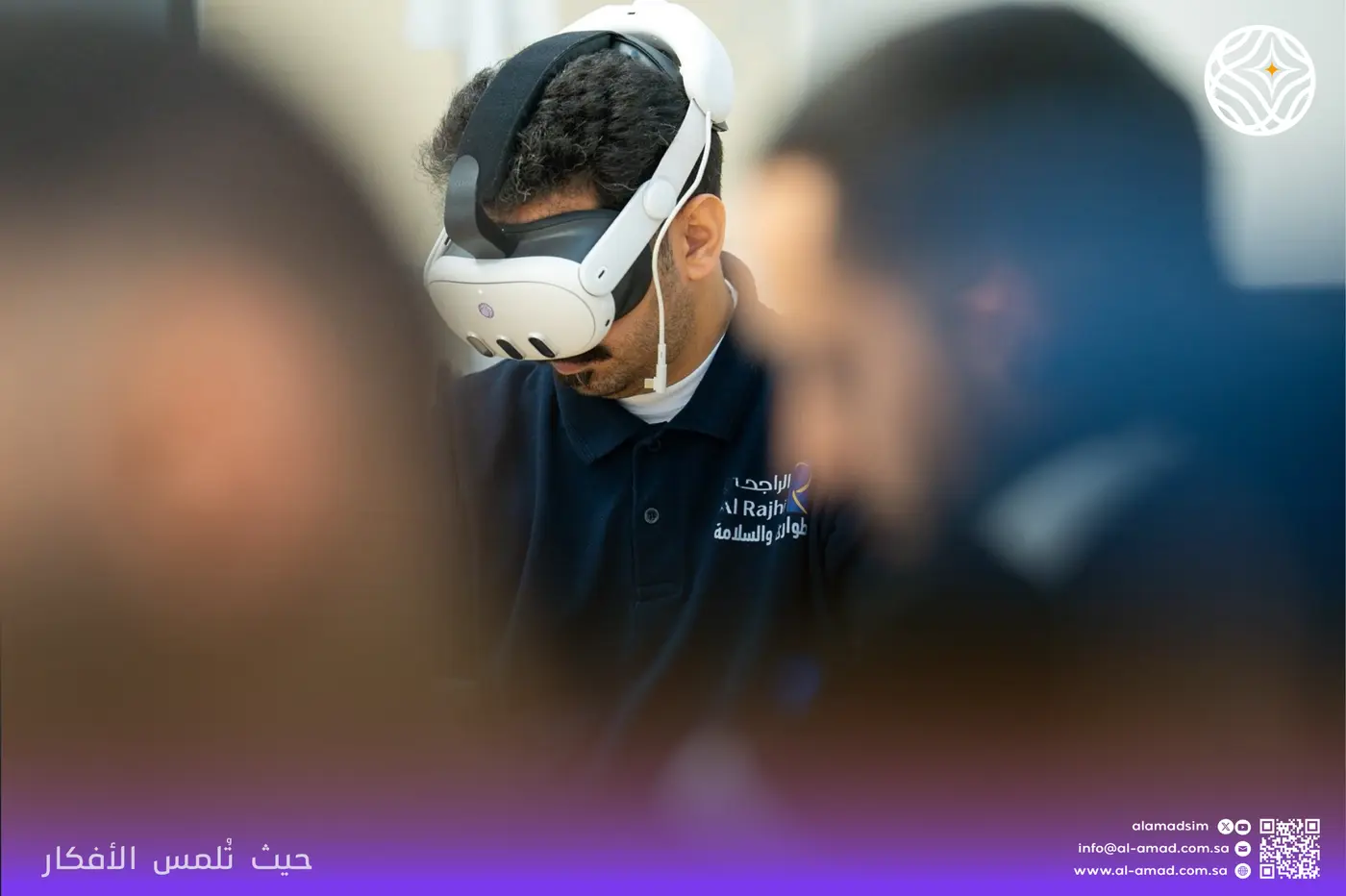
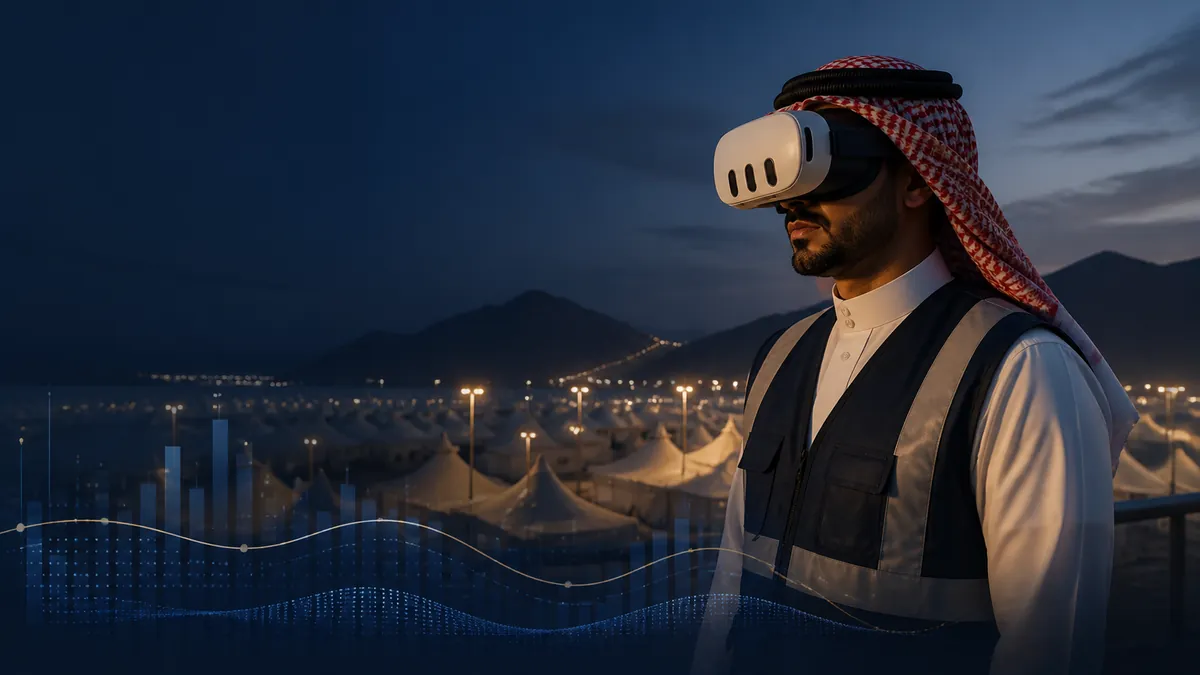
The training was delivered to emergency-response cadres operating during the 2026 season, inside an immersive environment reproducing situations that cannot be staged for training.

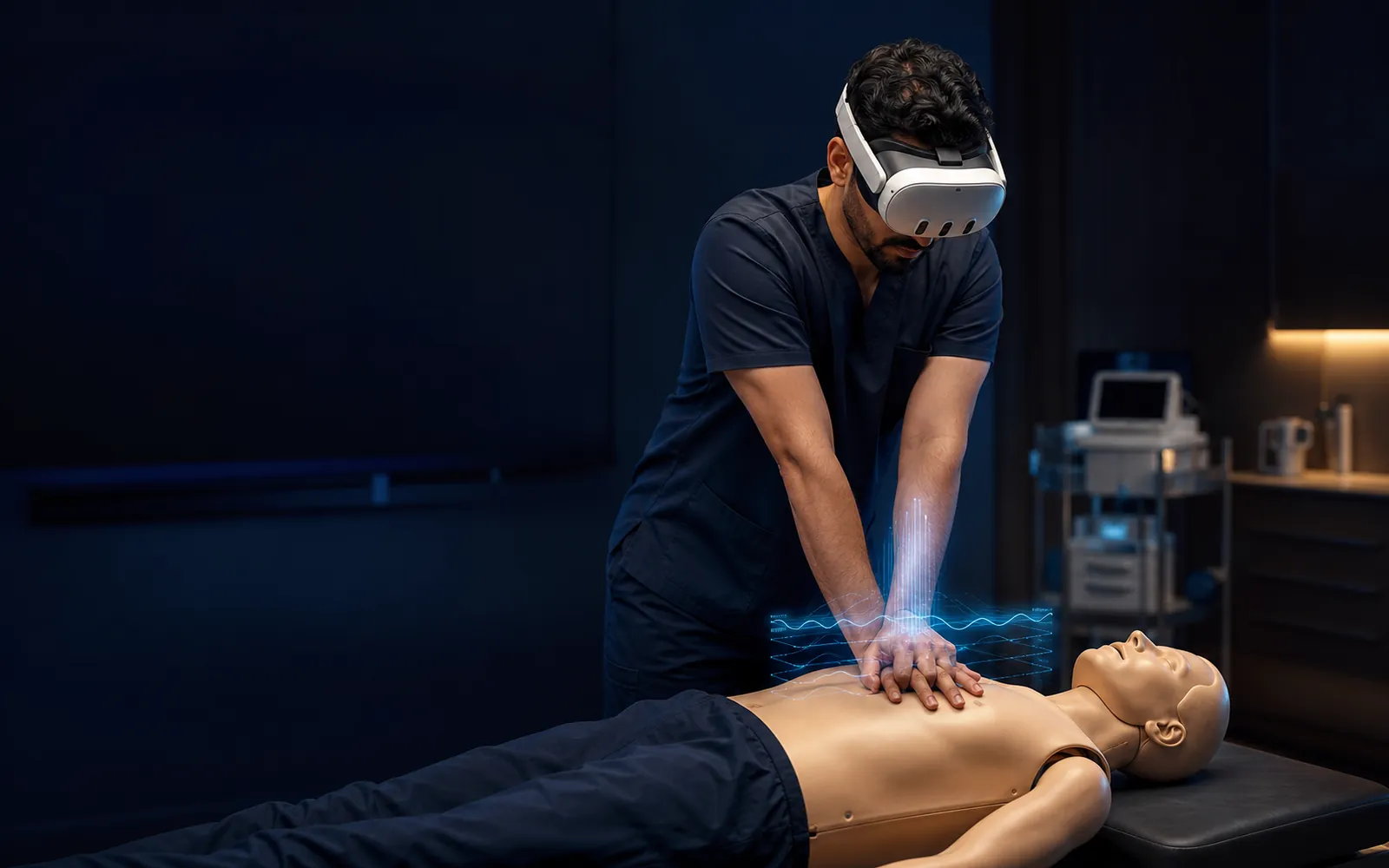
CPR — Hajj Emergency Scenarios

An experience from the Immersive Teaching Hospital, deployed in the season's context

Simulation of CPR, first aid, and response to emergencies common during the season — with real-time measurement of compression depth, response time, and decision sequence.

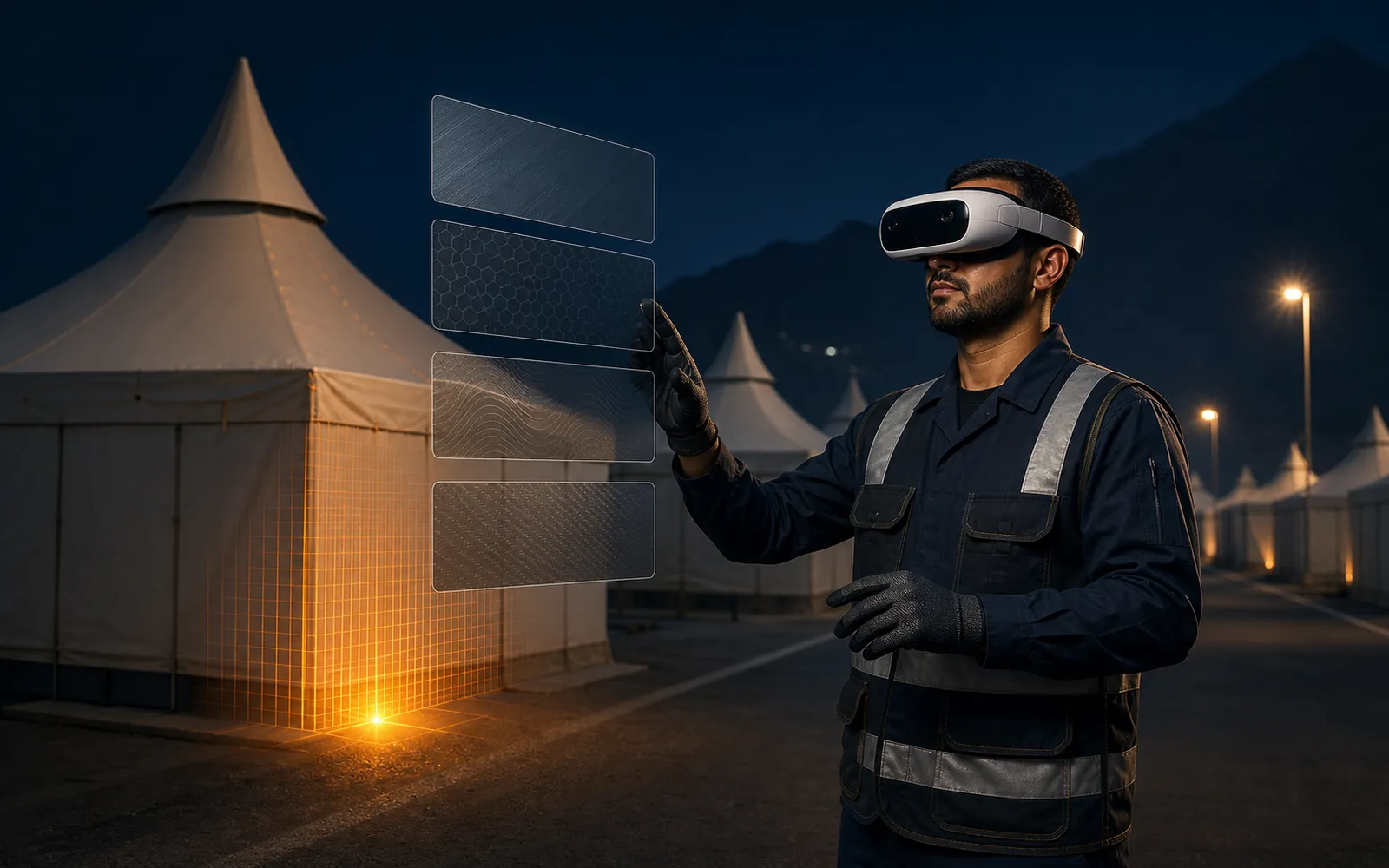
Hurras Al-Mashaaer

An axis of the Salek Al-Mashaaer system

Training in identifying and handling health and safety hazards inside the camp under approved protocols.

Navigating the Holy Sites

An axis of the Salek Al-Mashaaer system

Simulation of movement routes between the holy sites, orienting the pilgrim to directions, landmarks, and procedures.

Field Response

The field tried it. This is its response.

80.9% described the immersive experience as “far better” than traditional training
4.89/5 overall experience rating

Self-assessment survey administered to 47 emergency-response trainees immediately after the session — the CPR experience applied to Hajj emergency scenarios, 2026 season. — noting that 63.8% of the sample were in virtual reality for the first time.

This is the trainees' response. The performance evidence comes from Miqyas — for every trainee, on every attempt.

Next measurement

Performance indicators from the College of Medicine lab — published once the first season completes.

What these numbers mean

The methodology footnote isn't a caveat that weakens the number — it is what makes it citable in a formal meeting: a self-assessment survey, a stated sample, a defined measurement point. Every number we publish carries its footnote.

And beyond the numbers themselves: one experience from the Immersive Teaching Hospital moved into the Hajj environment and proved its impact on 47 trainees — practical proof that Al-Amad's library composes across sectors.

Want a result like this in your organisation?

Book a Demo — 45 min